September 22, 2026 Post by : Editorial Home Gardening
A Cherry Tree's Year: Keeping a Seasonal Nature Journal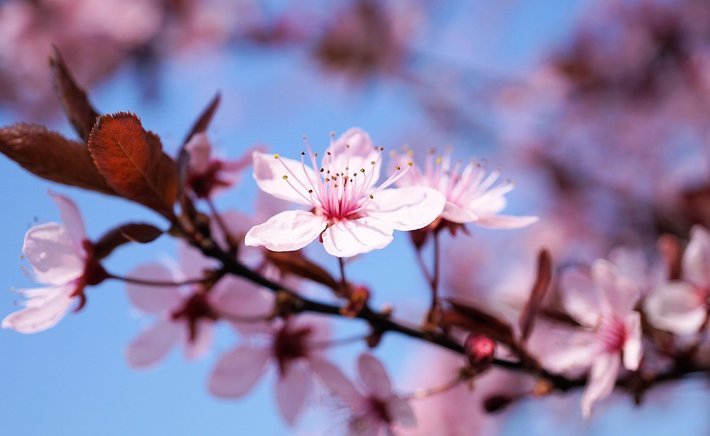
Six years ago, I planted a cherry tree in the middle of our backyard, in a spot I chose because it looked nice from the kitchen window. It was a mistake. The tree survived, barely, but it spent its first three years sulking in soil that stayed too wet, and it wasn't until I moved it (a stressful operation involving a shovel, a wheelbarrow, and a lot of swearing) that it finally started to thrive.
If I could go back and talk to my younger self, there are a handful of things I'd say. If you're thinking about planting a cherry tree, consider this the conversation I wish someone had had with me.
Choosing the Right Spot (and the Right Tree)
Cherry trees are particular about a few things, and the most important is drainage. They hate wet feet. If your soil stays soggy after rain, find another spot or plan to build a raised mound. The second thing is sun. Cherries want full sun, at least six hours a day, ideally more. A spot that's shaded in the morning but sunny in the afternoon is fine. A spot that's shady all day is not.
You'll also want to think about size. Standard cherry trees can reach twenty feet or more, which is lovely if you have the space and a ladder. Dwarf and semi-dwarf varieties stay smaller and are much easier to manage, especially for home gardeners. I planted a semi-dwarf and it's been the right call. I can reach most of the fruit without a ladder, and it fits comfortably in a modest yard.
One more thing: most sweet cherry varieties need a pollinator, meaning a second tree of a different variety nearby. Sour cherries are usually self-fertile and will fruit on their own. If you only have room for one tree, a sour cherry is the safer bet.
The Planting Itself (and the First Few Years)
Plant bare-root trees in late winter or early spring, while they're still dormant. Dig a hole wider than it is deep, about twice the width of the root ball. Don't amend the soil too heavily; you want the tree's roots to learn to grow in your native soil, not in a pampered pocket that discourages them from spreading. Set the tree so the graft union, the knobby spot where the variety meets the rootstock, sits a couple of inches above the soil line. Backfill, water deeply, and mulch around the base, keeping the mulch a few inches away from the trunk.
The first year is mostly about survival. Water regularly, especially during dry spells, and resist the urge to fertilize. You want the tree to focus on roots, not leaves. Stake it if your site is windy. And be patient. A young cherry tree may not fruit for three to five years, sometimes longer. This is the part nobody tells you, and it's the part that tests your commitment.
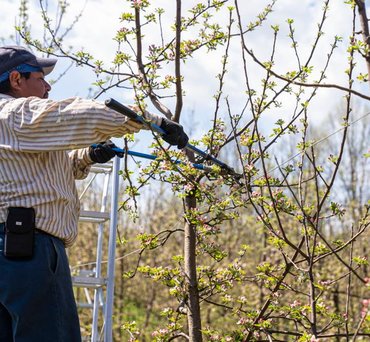
In the second and third years, you can start shaping the tree with light pruning, removing crossing branches and establishing a strong central structure. Keep watering. Keep mulching. Talk to it if you like; I do, though I couldn't tell you whether it helps.
Then one spring, usually when you've almost stopped expecting it, the tree will bloom. And a few weeks later, there will be cherries. Not many, at first. But they'll be yours, grown from a stick you planted in the ground and tended through seasons of nothing much happening. There is no shortcut to that feeling. You just have to plant the tree and wait.

Author

22 feb,2025
This incident opened my eyes to the value of Insurance in general, so I decided to examine my personal and business insurance.


Comment (3)
The payments are made directly from one person to another without passing through a central bank or clearing house.
22 feb,2025
ReplyCherry Clafoutis for Slow Sundays: A Rustic French Dessert Worth the Wait
23 feb,2025
ReplySitting Under the Cherry Tree: A Practice in Doing Absolutely Nothing
23 feb,2025
Reply