October 4, 2026 Post by : Editorial Home Gardening
From Blossom to Bowl: A Seasonal Guide to Cooking with Fresh Cherries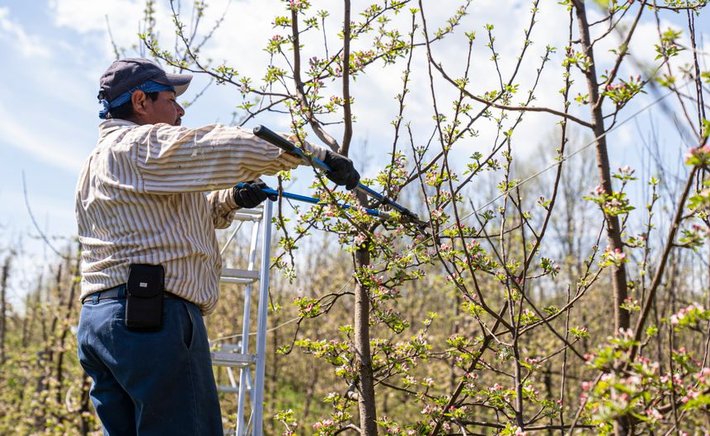
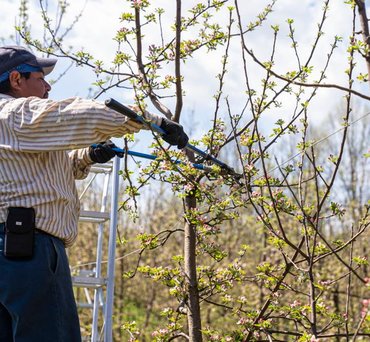
Every March, before the first buds dare to appear, I pull on my gloves and walk out to the cherry tree at the edge of our yard. It's not a grand tree. It's a modest sour cherry, the kind that gives tart fruit for pies and jam rather than picture-perfect bouquets. But it has become the centerpiece of my gardening year, and the pruning ritual we share each spring has taught me more about patience than any book ever could.
Pruning can feel intimidating. There's a quiet fear that one wrong snip will ruin everything. But cherry trees are forgiving, and the work itself is simple once you understand what you're looking at. What follows is how I approach it, learned through several seasons of trial, error, and one regrettable haircut in year two.
Why Early Spring Is the Sweet Spot
Cherry trees are best pruned in late winter or very early spring, while they're still dormant but the worst of the frost has passed. Pruning during dormancy means the tree isn't expending energy healing wounds while also trying to leaf out. It also gives you a clear view of the branch structure, since there are no leaves to hide what you're doing.
I avoid pruning in autumn. The cuts would sit open through the cold months, and damp winter air is not a friend to fresh wounds. Spring pruning, done just as the tree begins to stir, lets it seal its cuts quickly as growth resumes.
Before I make a single cut, I spend a few minutes just looking. I walk around the tree, cup of tea in hand, and ask three questions: Is there anything dead, damaged, or diseased? Are any branches crossing or rubbing against each other? Is the center of the tree too crowded for light and air to move through? These three questions guide almost every cut I make.
The Cuts That Matter Most
Start with the obvious. Dead wood is usually brittle and gray-brown under the bark; living wood is green and supple. Remove anything broken or clearly diseased first, cutting back to healthy wood. These cuts don't just tidy the tree, they protect it, since dead and diseased branches invite pests and rot.
Next, look for branches that cross or rub. When two branches touch, the friction creates wounds that never quite heal, and those wounds become doorways for trouble. Choose the stronger, better-placed branch and remove the other at its point of origin.
Then thin the center. Cherry trees fruit best when sunlight can reach the inner branches and air can move freely through the canopy. If the middle of your tree looks like a tangled knot, remove a few of the inward-growing branches. Don't overdo it. A good rule of thumb is never to remove more than about a quarter of the canopy in a single year.
Finally, step back and look again. Pruning is a conversation, not a demolition. If you're unsure about a branch, leave it. You can always take it next year.
When I'm finished, I gather the cuttings into a bundle and leave them at the base of the tree for a day or two, a small offering before they go to the compost. It sounds sentimental, but that pause matters. It reminds me that I'm not managing a tree so much as tending a relationship, one that will outlast many of my other projects.
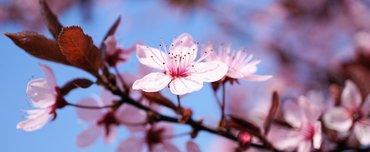
By the time the blossoms open in April, I've almost forgotten the pruning. The tree remembers, though. It always does, in the way it reaches a little wider each year, and in the bowls of tart cherries that find their way to our kitchen table come July.


Author
22 feb,2025
This incident opened my eyes to the value of Insurance in general, so I decided to examine my personal and business insurance.


Comment (3)
The payments are made directly from one person to another without passing through a central bank or clearing house.
22 feb,2025
ReplyCherry Pit Heating Pads: A Cozy DIY for Cold Evenings
23 feb,2025
ReplyA Cherry Tree's Year: Keeping a Seasonal Nature Journal
23 feb,2025
Reply